Concrete RV Pads · St. George & Southern Utah

Concrete RV Pads in
St. George, Utah

Heavy-duty reinforced concrete slabs built for full-size motorhomes, fifth wheels, toy haulers, and boat storage. Properly sized, properly reinforced, and poured to hold serious weight for decades.

Min. Thickness
5–6"
Standard 4" residential slab is undersized for RV loads. We pour RV pads thicker.
Reinforcement
Rebar Grid
#4 rebar on 18" centers minimum. Wire mesh is not adequate for RV weight.
Standard Width
12–14 ft
12 ft minimum. 14 ft recommended for door-side clearance and slideouts.
Standard Length
40–65 ft
40 ft for most rigs. 60–65 ft for motorhomes with a towed vehicle.
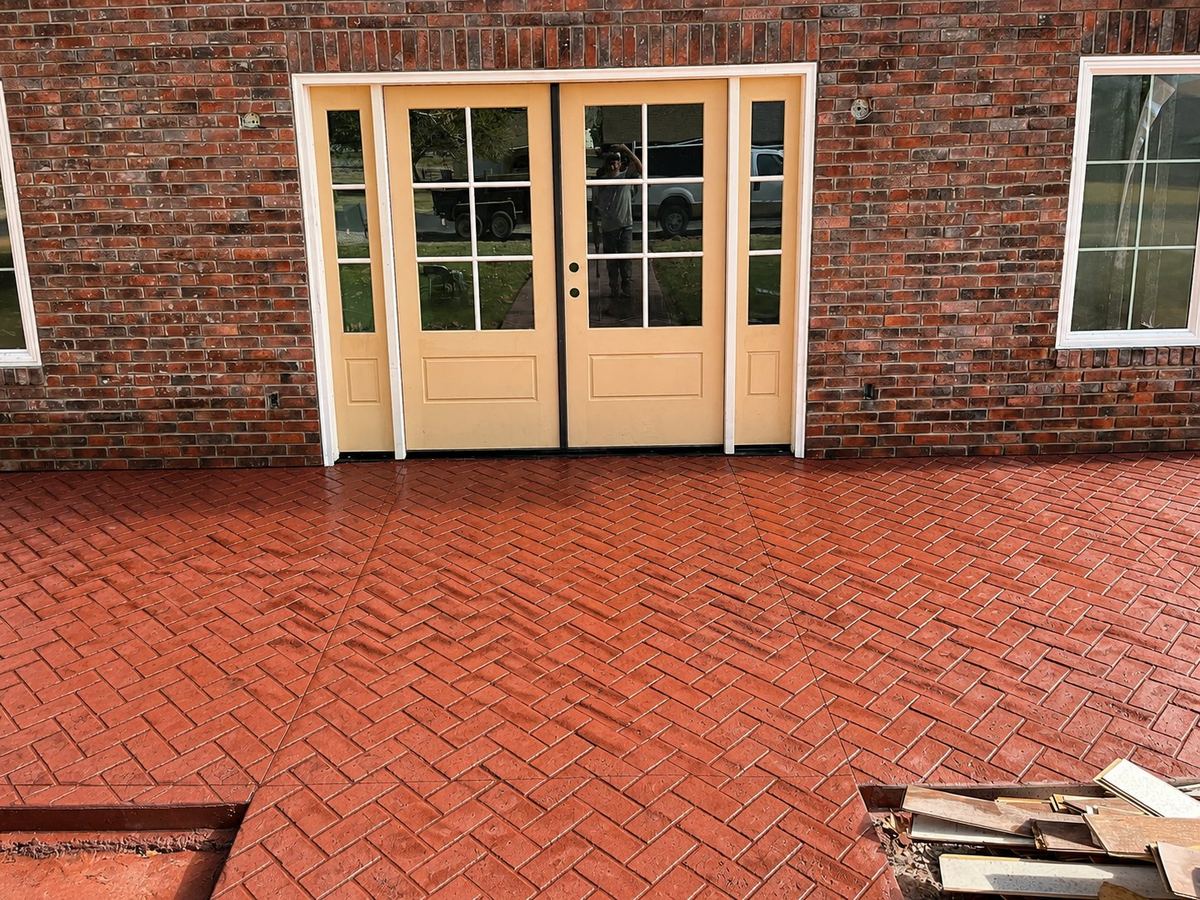
Heavy-duty concrete RV pad poured in St. George, Utah by Sanchez Concrete
Recent RV Pad Project — St. George, Utah

RV Pads Are Not
Standard Slabs

A Class A motorhome can weigh 30,000–40,000 lbs. A fifth wheel with a loaded truck is 25,000–30,000 lbs combined. A standard 4-inch residential slab isn't designed for that — it's designed for foot traffic and the occasional vehicle in a garage.

We pour RV pads at 5–6 inches thick with rebar grid, not wire mesh. The subbase is compacted to handle the point loads from leveling jacks, which concentrate thousands of pounds onto a 6-inch pad. Skip these steps and you'll have a cracked slab within a few seasons.

St. George is one of the fastest-growing RV communities in the Southwest. We build these pads all over Washington County — and we build them to last.
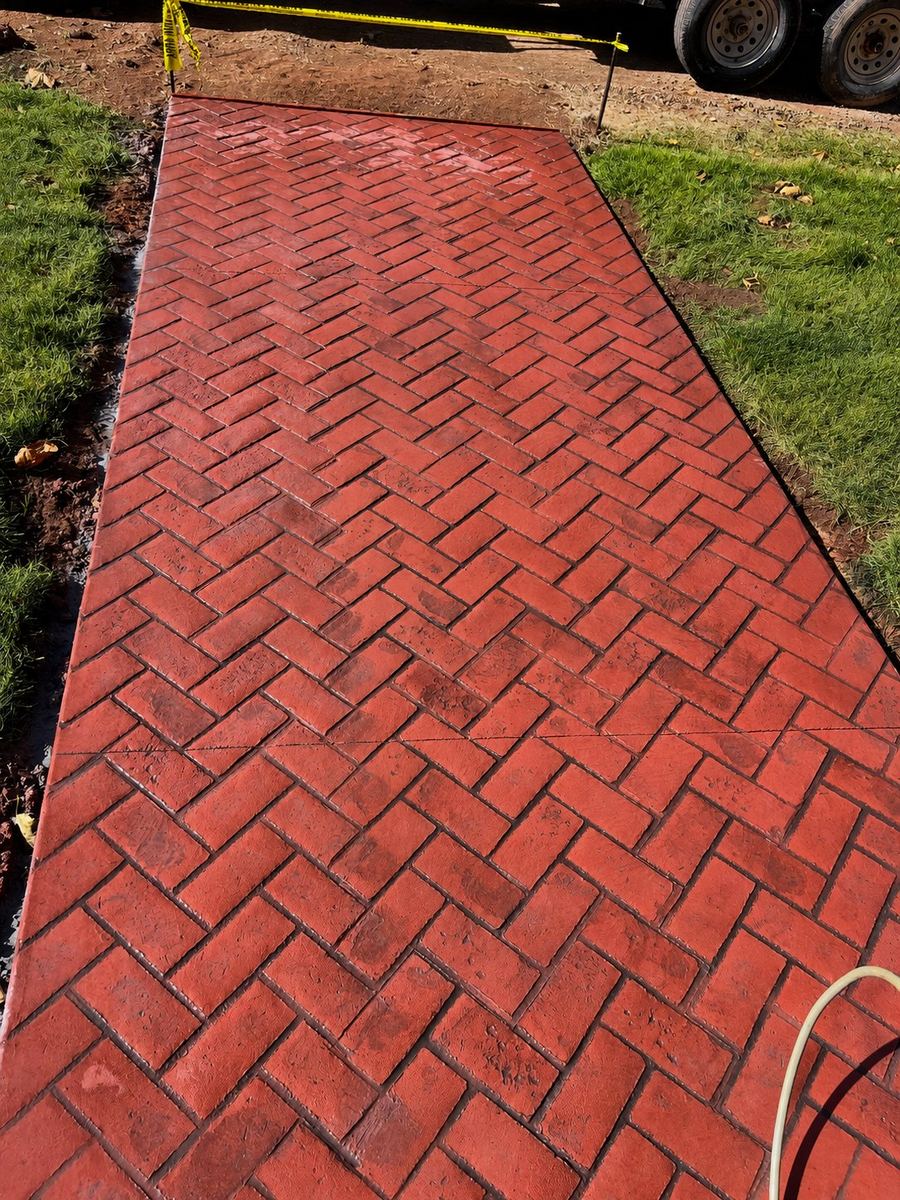
  • 5–6" thickness rated for full RV loads and leveling jack pressure
  • Rebar grid (not wire mesh) for structural integrity
  • Compacted subbase to prevent settling under point loads
  • Control joints to manage thermal expansion in desert heat
  • Correct slope for drainage away from the rig
  • Hookup cutout coordination with your electrician and plumber
RV Pad vs. Gravel vs. Asphalt
Concrete ✓ Recommended
Permanent, load-rated, no rutting, no migration, no dust, no weed growth. Supports leveling jacks without sinking. Lasts 30–50 years with minimal maintenance.
Gravel
Cheap upfront but migrates constantly, tracks into the rig, grows weeds, and provides an unstable surface for jacks. Requires annual topping and regrading.
Asphalt
Softens in St. George's summer heat (110°F+), leaving tire impressions and jack marks. Requires resealing every 2–3 years. Not a good long-term choice for Southern Utah.

Right-Size Your
RV Pad

RV pad size depends on your rig type, slideouts, and whether you're parking a toad (towed vehicle) on the same pad. These are our standard recommendations — we'll confirm measurements on-site before pouring.

Rig Type Dimensions Thickness Reinforcement
🚐 Class B / C Van
12 × 30 ft
5"
#4 rebar grid
🏠 Fifth Wheel
12 × 40 ft
5"
#4 rebar grid
🚛 Toy Hauler
14 × 42 ft
5–6"
#4 rebar grid
⛵ Boat / Trailer Storage
12 × 35 ft
5"
#4 rebar grid

* Add 2 ft width on door/slideout side for comfortable access. Double pads for two rigs: 24 ft wide minimum.

Concrete slab and heavy-use pad in Southern Utah by Sanchez Concrete
Spec'd for Your Rig,
Not Just Any Load

A standard 4-inch residential slab isn’t built for a 35,000 lb motorhome. We spec RV pads at 5–6 inches with rebar grid reinforcement as a baseline — because undersized concrete fails under load, and that failure isn’t cheap to fix.

📞 Free Estimate

Every Rig.
Every Size.

🚌
Class A Motorhomes
Up to 40,000 lbs
The heaviest rigs on the road. Require 6" thick pads with full rebar grid and a pad long enough to accommodate slides fully deployed.
🏠
Fifth Wheels
Up to 20,000 lbs
Popular in St. George. Standard 12x40 ft pad at 5" handles most fifth wheels comfortably. Bump to 6" for heavier toy hauler configurations.
🚛
Toy Haulers
Up to 25,000 lbs loaded
Loaded toy haulers are among the heaviest. We recommend 14 ft wide minimum to accommodate ramp deployment on the door side.
🚐
Class B & C
Up to 15,000 lbs
Smaller footprint, more flexibility on pad size. A 12x30 ft pad at 5" handles virtually any Class B or C rig with room to spare.
Boats & Trailers
Varies by vessel
Boat and utility trailer storage pads follow the same reinforcement standards as RV pads. Size to fit your trailer footprint plus comfortable maneuvering room.
🔌
Double Pads
Two rigs side by side
24 ft wide minimum for two rigs with comfortable clearance. We can pour double pads in one continuous pour or with a formed expansion joint between them.

Plan Your
Hookups Before We Pour

Running conduit and utility lines before the slab is poured is easy. Cutting them through a finished slab is expensive and messy. If you want hookups, coordinate with your trades before we schedule the pour.

Electrical (30/50 Amp)
Have your electrician run conduit to the pad location before we pour. We'll form around it and leave a clean stub-up at your specified hookup location. 50-amp service is standard for most rigs.
💧
Water Supply
Fresh water stub-up location should be on the utility side of the rig, typically door side. Your plumber runs the supply line before pour day. We form around the stub-up.
🔵
Sewer Cleanout
Gravity-fed sewer requires correct slope planning before pouring. Your plumber handles the line — we coordinate pad slope and cleanout location to make the connection work cleanly.
Serving Southern Utah
St. George
Washington Hurricane
Santa Clara Ivins La Verkin
Toquerville Leeds Springdale
Cedar City Enterprise

Concrete RV Pad
FAQ

How much does a concrete RV pad cost in St. George?

Concrete RV pads in St. George typically run $7–$13 per square foot installed. A standard single-rig pad (12×40 ft, 480 sq ft) runs roughly $3,360–$6,240. Larger pads, hookup cutouts, or difficult site access push the cost higher. Call 801-640-1788 for a free on-site estimate — we'll measure the space and confirm the right size for your rig.

How thick should a concrete RV pad be?

RV pads should be a minimum of 5 inches thick, with 6 inches for Class A motorhomes and heavy toy haulers. The reinforcement matters just as much — we use #4 rebar on 18-inch centers, not wire mesh. Wire mesh is a residential flatwork standard, not adequate for the point loads from leveling jacks on a 30,000–40,000 lb rig.

What size concrete pad do I need for my RV?

The short answer: 12 ft wide × your rig length + 5 ft for most setups. For a Class A with a toad, plan for 14 ft wide × 65 ft. Fifth wheels: 12×40 ft. Toy haulers: 14×42 ft minimum. We strongly recommend adding 2 ft to the door side for slideout clearance and comfortable access. We'll confirm measurements on-site before we form anything.

Do I need a permit for an RV pad in St. George?

In most St. George residential zones, a concrete slab under a certain square footage doesn't require a building permit. However, HOA rules vary widely — many St. George HOAs have specific rules about RV storage visibility from the street. Some zones restrict full-time RV storage. We recommend checking with St. George City Planning and your HOA before we schedule. We're familiar with common local requirements.

Can you add electrical and water hookup cutouts?

Yes — and we strongly recommend planning them before the pour. Have your electrician run conduit and your plumber run supply lines before pour day. We form around the stub-ups and leave clean openings at your specified hookup locations. Cutting through a finished 5–6" rebar slab after the fact is expensive and messy.

Can I park other vehicles on an RV pad?

Absolutely. An RV pad is overbuilt for passenger vehicles — if anything, it's better suited to truck and trailer parking than a standard driveway. Many customers use their RV pad as overflow parking, a trailer storage area, or a work surface when the rig is away. See also our concrete driveways page if you're looking to connect the pad to your existing driveway.

Ready to Build Your RV Pad?

Tell us your rig type and rough dimensions. We'll come out, measure, and give you a straight quote — free, no obligation.